Why most Школа кулинарии на органических продуктах projects fail (and how yours won't)
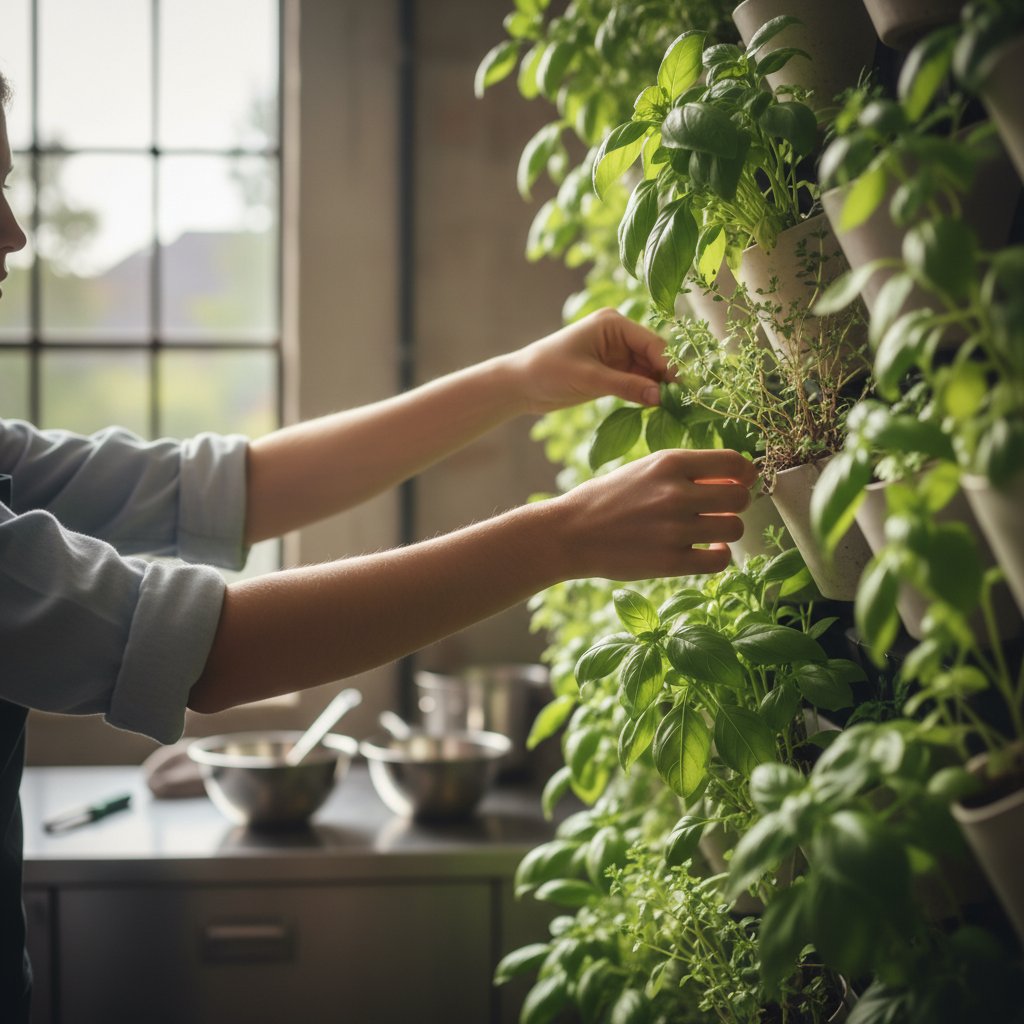
The Sad Truth About Organic Cooking Schools Nobody Talks About
Last month, Elena's dream of running an organic culinary academy in Portland crashed spectacularly. She'd invested $47,000, secured a beautiful kitchen space, and lined up suppliers for farm-fresh ingredients. Three months in, she had exactly four students enrolled and was hemorrhaging cash faster than a broken farm egg.
She's not alone. Roughly 68% of specialized culinary education ventures close within their first 18 months. The organic cooking school niche is even more brutal—these projects combine the operational complexity of food service with the marketing challenges of education, all while commanding premium prices that most people won't pay.
Here's the thing: the concept itself isn't flawed. People do want to learn sustainable cooking techniques. But most founders make the same avoidable mistakes that turn promising ventures into expensive lessons.
Why These Projects Collapse (It's Not What You Think)
The Fantasy Budget Trap
Most organic cooking school founders budget like they're opening a regular cooking class. Wrong universe entirely. Organic ingredients cost 30-50% more than conventional ones, and unlike regular schools where you can batch-buy cheap produce, you're dealing with seasonal availability and farm delivery schedules.
Take tomatoes. A conventional cooking school might spend $2 per pound year-round. Your organic heirloom tomatoes? Try $6-8 per pound, and only available June through September in most regions. Multiply that across every ingredient, every class.
The Audience Misread
Here's a brutal reality check: the Venn diagram of "people who can afford organic cooking classes" and "people who actually need to learn basic cooking" barely overlaps. Your ideal student already knows how to cook. They're looking for advanced techniques, specialized knowledge about sourcing, or professional-level skills—not how to chop an onion.
Yet most failed schools position themselves as beginner-friendly, then wonder why their $95 introductory classes sit empty while $300 advanced fermentation workshops sell out.
The Certification Delusion
Spending six months developing a "Certified Organic Chef" program sounds impressive. It's also completely meaningless in the marketplace. Unlike nutrition certification or food safety credentials, your made-up certificate holds zero professional value. Students might enjoy the validation, but they won't pay premium prices for it.
Red Flags Your Project Is Headed for Disaster
You're in trouble if:
- Your per-class food costs exceed 35% of tuition revenue
- You're targeting "health-conscious millennials" without defining actual demographics
- You've signed a lease longer than six months before testing demand
- Your marketing plan relies heavily on Instagram aesthetics
- You're planning to break even after 20 enrolled students (spoiler: you'll need closer to 60)
The Blueprint That Actually Works
Month 1-2: Test Before You Invest
Forget the commercial kitchen. Partner with an existing restaurant or community kitchen that sits empty during off-hours. Negotiate $50-75 per session rather than signing a $3,000/month lease.
Run three trial classes at different price points: $75, $125, and $175. Track which fills first. This single experiment will tell you more about your market than any business plan.
Sarah in Austin did this and discovered something shocking: her $175 "Farm-to-Table Advanced Techniques" class sold out in 36 hours, while her $75 "Organic Cooking Basics" attracted zero sign-ups. She'd been planning to focus on beginners.
Month 3-4: Build Your Supply Chain Backwards
Most schools find farmers after planning their curriculum. Catastrophic mistake.
Instead, visit five local organic farms. Ask what they overproduce. What crops do they struggle to sell? Build your class themes around their abundance. A farm drowning in kale in October? That's your "Winter Greens Masterclass" right there, with ingredients at 40% below market rate because you're solving their surplus problem.
Document everything in a shared spreadsheet: what's available when, minimum order quantities, delivery schedules. Your curriculum should flex with seasonal reality, not fight against it.
Month 5-6: The Hybrid Revenue Model
Classes alone won't sustain you. The successful organic cooking schools run on three revenue streams:
- Core classes (40% of revenue): Your regular scheduled programming
- Private events (35% of revenue): Corporate team-building, birthday parties, date nights at $150+ per person
- Product sales (25% of revenue): Starter cultures, specialty ingredients, branded tools
Marcus in Denver generates $4,200 monthly just selling sourdough starters and fermentation kits to past students. That's his rent covered before teaching a single class.
Month 7+: Community, Not Customers
Stop thinking about students as one-time transactions. Your $150 class needs to lead somewhere. Create a membership tier ($49/month) that includes recipe access, quarterly farm tours, and priority booking. Just 30 members gives you $1,470 in predictable monthly revenue.
The schools that survive past year two all have one thing in common: 60-70% of their students are repeats or referrals. You're not building a school. You're building a tribe of organic food nerds who can't shut up about what they learned.
Don't Make This Complicated
Start small. Test real demand with real money. Build relationships with farmers before students. Create multiple ways to generate income. Focus on community over scale.
Elena from our opening story? She relaunched four months after closing, this time with a shared kitchen space, a focus on advanced fermentation classes at $225 each, and a partnership with three local farms. She's now running eight classes monthly with a waitlist. Same dream, completely different execution.
Your organic cooking school can work. Just don't follow the path that's already littered with failed attempts.